The Future of Sustainable Urban Living: How Cities Are Changing for People and the Planet

Urban sustainability concept with eco-friendly city growthUrban living is evolving quickly, and the idea of sustainability has moved from a niche concern to a central priority in city planning, architecture, transportation, and daily life. As populations grow and environmental pressures intensify, cities are being challenged to become cleaner, smarter, more efficient, and more livable. This shift is not only about reducing pollution or saving energy. It is also about creating healthier neighborhoods, improving quality of life, and building communities that can adapt to the needs of future generations. The modern city must now balance growth with responsibility, and that balance is shaping the future in powerful ways.

At the heart of this transformation is a broader understanding of what a city should provide. A sustainable city is not merely one that uses less energy. It is a place where people can move easily, access green spaces, breathe cleaner air, and live in homes that are designed for long-term efficiency. It is also a place where infrastructure supports resilience, where local economies are strengthened, and where public spaces encourage connection. In this context, sustainable urban living becomes more than a policy idea; it becomes a practical model for modern life.

The rise of eco-friendly cities reflects changing values among residents, businesses, and governments. People increasingly want neighborhoods that are walkable, transit-friendly, and full of opportunities for social interaction. They also want buildings that conserve resources and public systems that reduce waste. These expectations are driving innovation across many sectors. From smart energy systems to nature-based urban design, the concept of urban sustainability is expanding in scope and importance.

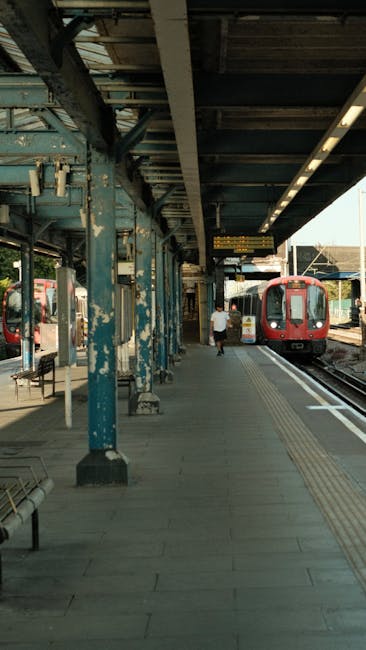
Public transit and walkable streets in a green cityOne of the most visible aspects of sustainable city development is transportation. In many major metropolitan areas, traffic congestion remains one of the biggest sources of frustration, air pollution, and lost productivity. To address this, cities are investing in public transit, cycling networks, pedestrian pathways, and electric vehicle infrastructure. These changes are not just about convenience. They help reduce greenhouse gas emissions, lower noise pollution, and create safer streets. A well-designed transportation system can transform how people experience everyday life and significantly improve the environmental footprint of a city.

Public transportation is especially important because it can move large numbers of people efficiently while reducing the need for private car ownership. When buses, trains, and metro systems are reliable, affordable, and accessible, residents are more likely to choose them over driving. This shift supports both economic and environmental goals. It decreases the demand for parking, reduces road wear, and improves air quality. For many cities, expanding transit access is one of the most effective steps toward eco-friendly urban development.

At the same time, many communities are reimagining streetscapes to make walking and cycling more appealing. Wider sidewalks, protected bike lanes, traffic calming measures, and shade trees can all encourage more active transportation. These features also help create more welcoming public spaces. Instead of streets being dominated by vehicles, they become places where people can safely move, gather, and spend time. That social dimension is essential, because a city that supports human activity tends to be healthier and more resilient overall.

Another major area of progress is architecture and building design. Buildings account for a large share of global energy use, so improving how they are constructed and operated can have a major impact. Modern sustainable architecture focuses on energy efficiency, natural ventilation, daylight use, material selection, water conservation, and long-term durability. These principles not only reduce environmental strain but also improve indoor comfort and lower operating costs.

Green building design often begins with thoughtful planning. The orientation of a building can affect how much sunlight it receives and how much energy is needed for heating and cooling. High-performance insulation, efficient windows, and smart climate control systems can further reduce energy consumption. In addition, the use of low-impact materials, such as reclaimed wood, recycled steel, and non-toxic finishes, helps reduce the environmental burden associated with construction. When these features are combined, buildings can become far more efficient without sacrificing style or function.

Urban housing is also changing in response to sustainability goals. Developers and planners are increasingly focusing on mixed-use neighborhoods that combine residential, commercial, and recreational spaces. This approach reduces the need for long commutes and helps create more cohesive communities. It also allows residents to live closer to services, parks, schools, and workplaces. As a result, daily routines become more convenient and less resource-intensive. This is one reason why sustainable housing solutions are gaining so much attention in both public and private sectors.

Environmental design in cities is not limited to buildings and roads. Green infrastructure plays a crucial role in managing stormwater, reducing heat, and supporting biodiversity. Parks, tree-lined streets, green roofs, rain gardens, and urban wetlands all contribute to a more balanced urban ecosystem. These features help cities function more naturally, especially as climate-related challenges become more severe. They also improve the appearance and feel of neighborhoods, making urban areas more pleasant and restorative.

Urban greenery has benefits that extend beyond aesthetics. Trees and vegetation can absorb carbon dioxide, filter pollutants, and provide cooling shade during hot weather. In dense cities, where heat islands can make temperatures significantly higher than in surrounding rural areas, this cooling effect is especially valuable. Green spaces also support mental well-being by offering residents a place to relax, exercise, and connect with nature. In this sense, investing in nature-based urban solutions is both an environmental strategy and a public health strategy.

Water management is another critical issue in contemporary city planning. As storms become more intense in many parts of the world, cities need systems that can absorb and redirect large amounts of water without overwhelming drainage networks. Permeable pavements, retention basins, restored waterways, and rooftop vegetation can all help manage excess runoff. These systems reduce flooding risks and improve water quality. They also demonstrate how climate-resilient urban living depends on designing with natural processes in mind rather than working against them.

Smart sustainable building and renewable energy systemsEnergy production and consumption are equally important in the movement toward greener cities. Traditional power systems often rely heavily on fossil fuels, but the shift toward renewable energy is reshaping urban possibilities. Solar panels on rooftops, wind integration, district heating systems, and energy storage solutions can all help cities reduce emissions and increase independence from volatile fuel markets. As technology advances, more urban areas are able to generate clean energy locally or source it through sustainable grids.

Smart energy management is also becoming more common in buildings and neighborhoods. Sensors, automated controls, and data-driven systems can optimize electricity use in real time. For example, lighting can adjust based on occupancy, and heating or cooling can respond to weather conditions and building needs. These tools make urban systems more efficient without requiring major lifestyle sacrifices. In many cases, they improve comfort while lowering utility costs. This practical combination makes green city technology increasingly attractive to municipalities and residents alike.

Energy efficiency is not only a matter of installing advanced equipment. It also depends on awareness and behavior. Communities that promote conservation, recycling, and thoughtful resource use often see broader benefits over time. Educational programs, incentive structures, and public-private partnerships can all support this shift. When sustainability becomes part of everyday culture, urban environments can evolve more quickly and more effectively. That cultural change is essential to the long-term success of any urban sustainability strategy.

Waste reduction is another key pillar of modern environmental planning. Cities generate enormous amounts of waste through households, businesses, and construction projects. If this waste is not managed carefully, it can create pollution, strain landfills, and waste valuable materials. That is why many municipalities are adopting circular economy principles, aiming to keep products and materials in use for as long as possible. Recycling, composting, repair programs, and material recovery systems all support this shift.

A circular approach changes how people think about consumption. Instead of seeing items as disposable, residents and institutions are encouraged to prioritize reuse and durability. This mindset can influence packaging choices, procurement policies, and design standards. Businesses that embrace circular practices often find new ways to reduce costs and strengthen their reputations. Meanwhile, cities benefit from lower disposal volumes and more efficient resource use. In many places, this model is becoming central to environmentally responsible urban development.

Construction waste is a particularly important concern because new development and renovation projects can produce large amounts of debris. Reusing building materials, separating recyclable content, and designing for disassembly can all reduce the environmental impact of construction. As cities continue to grow, these practices will become even more important. Sustainable waste management is not just an operational issue. It is a critical element of long-term resilience and a major factor in how cities prepare for the future.

Food systems are also part of the urban sustainability conversation. Cities depend on complex supply chains to feed millions of people, and these systems can be vulnerable to disruption. Urban agriculture, community gardens, rooftop farms, and local food markets are helping to make food access more resilient and more localized. These initiatives shorten supply chains, reduce transport emissions, and create opportunities for education and community engagement. They also reconnect residents with the sources of their food.

Local food production can have many benefits beyond supply security. It can improve nutrition, support biodiversity, and make neighborhoods more attractive and interactive. Community gardens, for example, often serve as social hubs where people share knowledge, resources, and labor. Rooftop agriculture can make use of underutilized space while contributing to building insulation and stormwater management. These multiple benefits make urban food initiatives a valuable part of sustainable city planning.

Access to fresh food is also closely tied to equity. In many cities, low-income neighborhoods have fewer grocery options and less access to healthy produce. Addressing this imbalance requires coordinated planning, transportation support, and investment in underserved areas. A truly sustainable city must be inclusive, ensuring that environmental progress benefits everyone, not just a privileged few. That is why food access and social justice are increasingly linked in discussions of green urban futures.

Social equity is indeed one of the most important dimensions of sustainable urban life. A city can only be considered truly successful if its benefits are shared broadly. That means affordable housing, accessible transit, safe public spaces, quality education, and healthcare are all part of the sustainability equation. Without fairness and inclusion, even the most advanced environmental measures can fall short. Long-term urban resilience depends on ensuring that all residents have the opportunity to thrive.

Inclusive planning often involves listening to communities before making major decisions. Residents understand the everyday challenges of their neighborhoods and can offer insight that technical experts may overlook. Participatory planning processes, public consultations, and neighborhood partnerships help ensure that development serves real needs. This approach can lead to better outcomes, stronger trust, and more durable investments. In many cases, community-driven models are the foundation of effective sustainable urban transformation.

Accessibility is another essential aspect of inclusion. Streets, buildings, parks, and transit systems should be designed so that people of all ages and abilities can use them safely and comfortably. This principle benefits everyone, not only those with disabilities. For example, curb cuts, elevators, clear signage, and well-maintained sidewalks make urban life easier for families, older adults, and people carrying heavy items as well. Designing for accessibility is a practical expression of human-centered urban design.

Technology is accelerating many of these changes. Smart city systems use data and connectivity to improve everything from traffic flow to waste collection. Sensors can monitor air quality, energy use, water levels, and infrastructure performance, allowing officials to respond more quickly and efficiently. While technology alone cannot solve urban challenges, it can provide valuable insight and flexibility. Used wisely, it becomes a powerful tool for better planning and management.

The best urban technologies are those that support people rather than overwhelm them. For instance, digital tools can help residents access transit information, identify available public services, or monitor energy consumption in their homes. These applications are most effective when they are easy to use and designed with privacy, equity, and reliability in mind. In this sense, the future of the smart sustainable city depends not only on innovation but also on thoughtful governance.

Data can also reveal patterns that shape better policy. By understanding where traffic congestion occurs, which neighborhoods lack green space, or how energy is consumed across the city, leaders can make more informed choices. This evidence-based approach helps direct resources where they are needed most. It also supports transparency and accountability. When technology is aligned with public goals, it can strengthen trust and create measurable environmental gains.

Climate-resilient city planning with green infrastructureClimate change has made resilience a defining concern for urban planners. Cities face increasing risks from heatwaves, flooding, storms, droughts, and infrastructure stress. Building resilience means preparing for these challenges in ways that protect people, maintain essential services, and enable recovery after disruption. This requires both physical upgrades and policy innovation. Stronger building codes, flexible utility systems, emergency planning, and redundant infrastructure all contribute to urban resilience.

Adaptation measures are now being integrated into many aspects of city development. For example, heat-responsive design can include reflective roofs, shaded public areas, and cooling centers. Flood-prone neighborhoods may require elevated structures, better drainage, or restored natural buffers. These strategies are often most effective when combined with broader sustainability measures. Resilience and sustainability are closely linked, because a city that wastes fewer resources is often better positioned to respond to shocks and changes.

Urban resilience also depends on social relationships. Communities that are connected, informed, and organized are often better able to cope with emergencies. Neighborhood networks, mutual aid systems, and local institutions can play a crucial role when disruptions occur. This reminder is important because sustainable urban living is not only about infrastructure. It is also about the strength of the human systems that support daily life. A city becomes more adaptive when its residents are engaged and empowered.

Looking ahead, the future of cities will likely be shaped by the integration of multiple sustainable practices rather than any single solution. Transportation, housing, energy, waste, food, and public space all interact, and improvements in one area can support progress in another. For example, denser mixed-use development can reduce transportation emissions while also making local services more accessible. Similarly, adding trees and parks can improve public health while helping manage stormwater and heat. This interconnectedness is what makes urban sustainability both challenging and promising.

Policy will continue to play a central role in this transformation. Regulations, incentives, investment priorities, and zoning decisions all influence how cities develop. Governments that prioritize long-term well-being over short-term gains tend to achieve better outcomes for residents and the environment. Collaboration between public institutions, private organizations, and community groups can further accelerate positive change. This kind of partnership is often necessary to bring sustainable urban development from concept to reality.

At the same time, individual choices still matter. Residents who use transit, reduce waste, conserve energy, support local businesses, and participate in community life contribute to the broader shift toward more responsible urban systems. Sustainable cities are built through both large-scale planning and everyday habits. That makes the movement inclusive and scalable. Everyone has a role to play in shaping places that are healthier, cleaner, and more resilient.

Future-ready sustainable urban living in a modern cityThe idea of a sustainable city is no longer futuristic or abstract. It is becoming a practical framework for the way modern communities are designed and experienced. As cities face environmental, social, and economic pressures, the need for thoughtful, integrated solutions will only grow. The most successful urban environments will be those that combine efficiency with livability, technology with human values, and growth with responsibility. This is the essence of future-ready urban living.

What makes this vision compelling is that it benefits everyone. Cleaner air, safer streets, more reliable transit, resilient infrastructure, and accessible public spaces improve life for residents across many different backgrounds. Businesses also benefit from stronger local economies and healthier work environments. Governments gain more efficient systems and better long-term planning outcomes. In other words, green urban development is not a narrow environmental trend. It is a broad strategy for building better places.

As awareness continues to grow, more cities will likely embrace policies and designs that support sustainability at every level. The path forward will vary by region, but the core principles remain consistent: reduce waste, conserve resources, protect ecosystems, support equity, and plan for resilience. Cities that commit to these values will be better prepared to meet the challenges of the future while offering a higher quality of life today. That is why the conversation around sustainable urban living remains so important and so full of possibility.


Services

service image

After Builders Cleaning

SEO-friendly article on after builders cleaning, covering benefits, process, tools, health, and residential/commercial uses.

service image

Airbnb Cleaning

SEO-optimized article on Airbnb cleaning, covering turnover processes, guest expectations, professional services, and cleanliness impact on reviews and bookings.

service image

Carpet Cleaning

SEO-optimized article on carpet cleaning, covering methods, benefits, maintenance, stains, and scheduling with strong CTAs.

service image

Communal area Cleaning

SEO-focused article on communal area cleaning, covering benefits, tasks, scheduling, safety, residential and commercial settings, and maintenance tips.

service image

Deep Cleaning

An SEO-friendly article explaining what deep cleaning is, its benefits, room-by-room priorities, tools, mistakes to avoid, and maintenance tips.

service image

Domestic Cleaning

SEO-optimized article on domestic cleaning, covering routines, benefits, rooms, tools, and professional support in structured HTML.

service image

End of Tenancy Cleaning

A detailed SEO article on end of tenancy cleaning in London, covering benefits, checklist, deposit protection, tips, and professional service advice.

service image

House Cleaning

A detailed article on house cleaning, including routines, room-by-room tips, deep cleaning, tools, health benefits, and service options.

service image

Mattress Cleaning

SEO-friendly article on mattress cleaning, covering stains, allergens, methods, drying, protectors, and maintenance for healthier sleep.

service image

Move in Cleaning

SEO-optimized article on move in cleaning, covering benefits, room priorities, professional service, preparation tips, and CTA for new homes.

service image

Move out Cleaning

Move out cleaning helps renters, homeowners, and sellers leave a spotless property, protect deposits, reduce stress, and create a smooth handover.

service image

Office Cleaning

A detailed article on office cleaning, covering benefits, key areas, schedules, professional services, and sustainability for healthier workplaces.

service image

One Off Cleaning

SEO-optimized article on one off cleaning for homes and businesses, covering benefits, uses, preparation, and service types in HTML format.

service image

Oven Cleaning

SEO-optimized article on oven cleaning, covering methods, timing, safety, benefits, and professional services in a structured HTML format.

service image

Regular Cleaning

An SEO-friendly article explaining the benefits, routines, and long-term value of regular cleaning for homes and businesses.

service image

Sofa Cleaning

SEO-focused article on sofa cleaning, covering benefits, methods, stain removal, maintenance, and professional care in a structured HTML format.

service image

Upholstery Cleaning

SEO-friendly article on upholstery cleaning, covering benefits, fabrics, stain removal, maintenance, and professional care with HTML formatting.

service image

Window Cleaning

SEO-optimized article on window cleaning, covering benefits, methods, safety, scheduling, and professional services with HTML structure and CTAs.


Frequently Asked Questions

The best sustainable city features usually include better public transport, more green spaces, energy-efficient buildings, and safe walking and cycling routes. These improvements help cut air pollution, reduce traffic, and make neighborhoods more livable. Our team has worked with urban communities that want practical, long-term upgrades, not just short-term fixes. If you are looking for a reliable approach to cleaner city living, focus on projects that improve mobility, conserve energy, and support local well-being. Get in touch for a quote if you want tailored advice.

The best trusted expert is usually one with proven experience in urban planning, environmental design, and infrastructure coordination. Look for professionals who understand local regulations, sustainability standards, and community needs. Our team has served city clients and developers on projects where reliability, safety, and long-term performance mattered most. A strong provider should be able to explain their process clearly, show past project experience, and offer practical solutions that fit your area. Reach out for a consultation to discuss your goals.

Professional teams usually balance cost and quality by prioritizing efficient materials, low-maintenance designs, and systems that save money over time, such as LED lighting and smart water use. The most affordable option is not always the cheapest upfront; it is the one that performs well and reduces future repairs. Our experience shows that careful planning can deliver high-quality results within budget. A reliable team will explain where savings are possible and where it is worth investing more. Ask for a detailed quote to compare options.

Professionals often use GIS mapping, environmental impact assessment tools, traffic modeling software, and energy-performance analysis platforms to plan urban upgrades accurately. For implementation, they may also rely on drone surveys, smart sensors, and modern site-testing equipment to measure performance and identify issues early. These industry-standard tools help teams make safer, more informed decisions. Our team uses proven planning methods to support cleaner, smarter, and more efficient urban projects. If you want a clear, data-driven plan, get in touch for a quote.

Look for accreditations and memberships with recognized industry bodies such as the Royal Town Planning Institute, the Urban Land Institute, the Chartered Institution of Water and Environmental Management, or the Institution of Civil Engineers, depending on the project type. These affiliations show a commitment to professional standards, ongoing learning, and accountable practice. Our team values recognized expertise because it helps clients feel confident about quality and compliance. When comparing providers, ask which bodies they belong to and what those memberships mean for your project.

A trustworthy provider should carry appropriate professional indemnity insurance and public liability insurance, and they should be able to confirm any relevant certifications for their work. This helps protect clients if something goes wrong and shows that the business takes legal compliance seriously. Our team prioritizes safe, responsible delivery and transparent documentation, so customers know exactly what coverage is in place. Always ask for proof of insurance and any applicable certifications before hiring. It is a simple way to check reliability and professionalism.

A safe and professional provider should have trained staff, clear procedures, documented risk assessments, and a consistent record of completed work. You can also ask whether their team is background-checked or vetted where relevant, especially for public-facing or sensitive projects. Our experience shows that clients value clear communication, punctuality, and visible quality control as much as technical skill. A reliable provider will answer questions openly and provide written details about their process. If you want peace of mind, request references and a written proposal.

The most reliable ways include expanding public transit, improving bus priority routes, creating protected bike lanes, and making walking safer and more direct. These measures reduce car dependence and improve access for more people. Modern cities also use real-time transport data and smart traffic systems to manage congestion better. Our team has seen that well-planned transport improvements can boost convenience while lowering emissions. If you are planning a local upgrade, start with the routes and modes people already use most, then build from there.

Green buildings improve comfort by using better insulation, efficient heating and cooling, natural light, and improved ventilation. They also reduce energy use and lower operating costs over time. In modern urban life, that means quieter homes, better indoor air quality, and less environmental impact. Our team has worked on projects where practical design choices made a measurable difference for residents and businesses. If you want a reliable way to improve a building’s performance, ask about energy-efficient upgrades and lifecycle costs.

Ask about their experience, project examples, methods, accreditations, insurance, timelines, and how they measure success. You should also ask how they handle community input, compliance, and long-term maintenance. The best teams will answer in plain language and explain what results you can expect. Our team believes trust comes from transparency, so we encourage clients to compare proposals carefully. A good provider should feel dependable, not vague. If you are unsure, request a consultation and a written scope before committing.

Yes, the best sustainable city services can be tailored to local needs, whether the priority is cleaner air, safer streets, better drainage, or more green space. A strong provider will adapt the approach to your budget, location, and community goals rather than forcing a one-size-fits-all plan. Our team has served different types of urban areas, so we understand that each neighborhood has its own challenges. Custom planning helps deliver better value and better results. Get in touch for a quote based on your project size and priorities.

Start by looking for providers with proven experience, clear pricing, strong customer reviews, recognized professional affiliations, and proper insurance. The most trusted and affordable service is one that balances cost with long-term value and communicates clearly from the start. Our team focuses on practical solutions, safety, and dependable delivery, so clients know what they are getting. Whether you need planning advice, design support, or implementation guidance, choose a provider that can explain results in measurable terms. Contact us to discuss your needs and receive a quote.

An in-depth look at how sustainable urban living is transforming transport, housing, energy, waste, food, equity, and resilience in modern cities.

Get a Quote

What Our Customers Say

Excellent on Google
4.9 (10)

Always personable, trustworthy, and meticulous. Easily recommend.

Google Logo
J

Carpets are super clean! The worker was efficient and communicative. Very pleased with the service.

Google Logo
K

Absolutely great service. She rang to say she'd arrive earlier. Very pleasant and considerate in discussing all options and setting a fair price.

Google Logo
K

A stress-free process was guaranteed by their detailed approach and excellent communication.

Google Logo
A

Consistently impressed with CleanersStockwell's outstanding cleaning services! The staff are personable, efficient, and thorough. Couldn't ask for a better team!

Google Logo
T

I was thrilled with the level of cleanliness Cleaning Company Stockwell achieved. Their meticulous approach and polite staff made all the difference.

Google Logo
B

I'm so satisfied with Stockwell Carpet Cleaners's end of tenancy cleaning service. They made the oven look completely new and cleaned every spot, including inside all storage areas.

Google Logo
S

I decided to give Cleaning Company Stockwell a shot after a friend's referral. The entire staff impressed me with their kindness and assistance throughout. I got more than I hoped for--I'll absolutely use them again!

Google Logo
G

I always appreciate Stockwell Carpet Cleaners's reliable and thoughtful approach. Their hard work allows me to enjoy my home to the fullest.

Google Logo
T

I've had Cleaning Agency Stockwell clean my house on a regular monthly schedule and their quality never disappoints. On time, friendly staff, and a sparkling clean home every time.

Google Logo
D

Get In Touch With Us.

Please fill out the form below to send us an email and we will get back to you as soon as possible.