Communal Area Cleaning: Creating Safer, Cleaner, and More Welcoming Shared Spaces
Why Communal Area Cleaning Matters in Modern Properties

Communal area cleaning plays a vital role in keeping shared spaces hygienic, presentable, and comfortable for everyone who uses them. Whether it is an apartment block, office building, residential complex, student accommodation, or mixed-use property, these shared zones are the first places people notice. A clean entrance, polished hallway, tidy lift area, and fresh stairwell instantly shape the way residents, visitors, tenants, and clients perceive the property.
In many settings, communal area cleaning is not just about appearance. It is directly connected to health, safety, and everyday convenience. Dust, litter, muddy footprints, fingerprints, and spillages can quickly build up in shared areas because many different people pass through them each day. Without regular cleaning, these spaces become unpleasant and may even contribute to slips, allergic reactions, pest issues, and faster wear and tear on surfaces.
That is why professional communal area cleaning has become an essential service for property managers, landlords, facilities teams, housing associations, and homeowners’ associations. It supports a better living and working environment while protecting property value over time. A well-planned cleaning routine helps shared areas remain safe, attractive, and functional throughout the year.
What Communal Area Cleaning Includes

Communal area cleaning covers all shared parts of a building that are used by multiple occupants. The exact tasks depend on the property type, traffic levels, and layout, but the core goal is always the same: to maintain cleanliness across high-use spaces. In most buildings, this includes entrance lobbies, hallways, staircases, lifts, handrails, reception areas, bin stores, corridors, shared kitchens, and waiting areas.
Typical communal area cleaning tasks often involve vacuuming, sweeping, mopping, dusting, disinfecting high-touch points, removing litter, wiping glass, spot-cleaning marks, and maintaining bin areas. In some cases, the service may also include periodic deep cleaning, carpet care, hard floor maintenance, and the cleaning of internal windows or doors. The more consistently these tasks are completed, the more welcoming the building feels.
Well-managed shared area cleaning also helps prevent small issues from becoming bigger ones. For example, regular removal of debris reduces the chance of blocked entrances, dirty corners, unpleasant odours, and damage to flooring. A thoughtful cleaning schedule ensures that every communal zone receives the right level of attention based on how often it is used.
Benefits of Regular Communal Area Cleaning
1. Improves hygiene and reduces germs
Shared spaces can easily collect bacteria and viruses because they are touched by many people throughout the day. Communal area cleaning helps reduce this build-up by focusing on high-contact surfaces such as handrails, lift buttons, door handles, switches, and intercom panels. This is especially important in buildings with children, older adults, or high visitor traffic.
2. Creates a positive first impression
Clean communal spaces tell people that a property is well cared for. When residents come home to tidy hallways and fresh-smelling entrances, they feel more comfortable and respected. For commercial buildings, the impact is even more visible because clients and staff often judge the entire property by the state of shared areas.
3. Supports health and safety
Dust, water, spilled drinks, and dropped litter can create hazards in stairwells and corridors. Professional communal area cleaning reduces the risk of accidents by keeping floors dry, debris-free, and easy to navigate. It also helps ensure that exit routes and access points stay unobstructed.
4. Protects property value
When communal areas are neglected, surfaces can stain, flooring can deteriorate, and fixtures can lose their finish more quickly. Routine cleaning slows this process and helps preserve the appearance and condition of the property. Over time, this can save money on repairs and refurbishment.
Key Areas Covered in Communal Area Cleaning
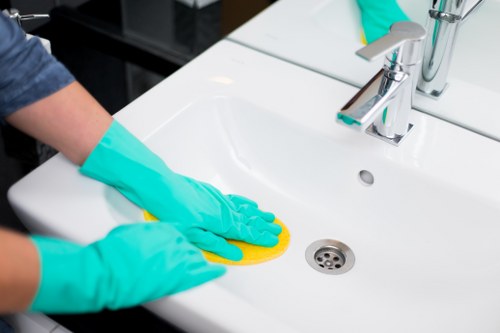
Every building is different, but most communal area cleaning programs focus on a set of essential zones. These are the places where dirt tends to collect most quickly, and they often require a detailed, consistent approach. Cleaners usually begin with the entrance and work through the building in a logical order so no section is overlooked.
Common areas covered by shared space cleaning include:
- Entrance lobbies and foyers
- Corridors and hallways
- Stairwells and landings
- Lifts and lift lobbies
- Door handles and handrails
- Skirting boards and light switches
- Notice boards and shared display surfaces
- Bin rooms and waste collection points
- Shared kitchens and break areas
- Reception and waiting areas
In some properties, communal area cleaning may also include exterior touchpoints such as entrance mats, porch areas, steps, and immediate building thresholds. These spaces are especially vulnerable to mud, rainwater, and debris being carried in from outside. Keeping them clean helps prevent dirt from spreading deeper into the property.
How a Professional Communal Area Cleaning Service Works
Initial inspection and planning
A reliable communal area cleaning service usually begins with an inspection of the site. This helps identify the size of the building, the type of flooring, traffic patterns, cleaning priorities, and any special requirements. For example, a residential block may need daily hallway cleaning, while a smaller office may only require a few visits each week.
Scheduled cleaning routine
Once the property has been assessed, a cleaning plan is created. This plan typically outlines which areas will be cleaned, how often each task will take place, and which methods or products will be used. A clear routine is the backbone of effective communal area cleaning because it keeps standards consistent and prevents important zones from being missed.
Quality checks and ongoing adjustments
As buildings change, cleaning needs can change too. Seasonal weather, occupancy levels, renovation work, and tenancy turnover can all affect cleanliness. Professional teams often review the service regularly so that communal area cleaning continues to match the building’s requirements. This flexibility is one reason professional cleaning is often more effective than an informal or occasional approach.
Choosing the Right Cleaning Frequency

One of the most important decisions in communal area cleaning is how often the service should be carried out. The right frequency depends on the property’s usage, the number of occupants, and the type of business or residential environment. A busy city apartment block may need daily attention, while a quiet office building may only need weekly cleaning.
Factors that influence cleaning frequency include:
- Number of residents, tenants, or visitors
- Foot traffic throughout the day
- Size and layout of the building
- Presence of lifts, shared kitchens, or bin areas
- Weather exposure and outside dirt entering the property
- Special hygiene expectations from property owners or managers
Regularly used spaces often benefit from more frequent cleaning because dirt accumulates quickly. In contrast, lower-traffic areas may only need periodic maintenance. The key is to create a plan that is practical, efficient, and suitable for the building’s daily use. Good communal area cleaning is never one-size-fits-all.
Common Challenges in Shared Area Maintenance
High traffic and constant use
Shared buildings are busy by nature. People come and go at different times, bringing in dirt, moisture, and waste. This constant use means communal area cleaning must be consistent. If a service is delayed, the space can quickly look tired and dirty even if it was cleaned recently.
Weather-related dirt
Rain, mud, leaves, and salt are common problems in many regions. During wet or cold seasons, entrances and stairwells often need extra attention because debris is tracked in on shoes. This makes seasonal communal area cleaning especially important for maintaining safe and tidy floors.
Bin storage and odours
Waste areas can become problematic if they are not cleaned properly. Overflowing bins, leaks, and unpleasant smells can affect the whole building. A strong communal area cleaning routine includes waste-zone maintenance and odour control to keep these spaces under control.
Shared responsibility and inconsistency
Another challenge is that many people use the same area, but no single person feels fully responsible for it. This often leads to inconsistency unless a professional schedule is in place. Well-organized communal area cleaning removes guesswork and ensures every area gets attention at the right time.
Best Practices for Effective Communal Area Cleaning

To achieve the best results, communal area cleaning should follow a practical and detail-focused process. Cleaning teams often work from top to bottom and from cleaner areas to dirtier areas so dust and debris are not spread around. They also use the correct materials for each surface, which helps preserve flooring, paintwork, and fixtures.
Best practices include:
- Using colour-coded equipment to reduce cross-contamination
- Cleaning high-touch points every visit
- Vacuuming or sweeping before mopping
- Using suitable products for wood, tile, carpet, or vinyl
- Emptying bins and replacing liners when needed
- Checking for damage, spillages, or maintenance issues
It is also smart to record tasks after each visit. Cleaning logs help property managers see what has been completed and when. This provides accountability and makes it easier to monitor quality over time. In many cases, professional communal area cleaning becomes even more effective when supported by simple documentation and feedback loops.
Communal Area Cleaning for Residential Buildings
Apartment blocks and housing complexes
In residential settings, communal area cleaning has a direct impact on resident satisfaction. Hallways, stairs, lobbies, and lift areas are part of daily life, so their condition affects how people feel about their homes. Clean common areas contribute to a more pleasant and peaceful living environment.
Student accommodation
Student housing often experiences especially high levels of wear. Shared kitchens, entrance halls, and lounges can become messy very quickly. Consistent cleaning helps keep these spaces usable, hygienic, and more manageable for residents and management alike.
Carefully maintained shared living spaces
For many residents, the condition of communal areas reflects the overall management of the building. Effective communal area cleaning can help build trust, reduce complaints, and support a more respectful shared-living culture. It is a practical investment in both comfort and community standards.
Communal Area Cleaning for Commercial Properties
Commercial buildings also rely heavily on clean shared spaces. Offices, business centres, clinics, and retail complexes all need professional communal area cleaning to maintain a polished image and support operational efficiency. Staff and visitors often move through reception areas, corridors, meeting zones, and shared facilities every day.
In business environments, a clean communal space can influence productivity and morale. Employees are more likely to feel comfortable in a tidy environment, and clients tend to view a well-maintained building as more professional. For this reason, many businesses treat shared area cleaning as an essential part of their facilities strategy rather than a cosmetic extra.
Commercial communal area cleaning may require attention to glass surfaces, polished floors, waiting rooms, kitchenettes, and sanitary areas. Depending on the business, it may also involve after-hours cleaning to minimise disruption. A good service works discreetly and efficiently while keeping standards consistently high.
Health, Safety, and Compliance Considerations
Reducing slip and trip hazards
Slip and trip prevention is one of the strongest reasons to maintain regular communal area cleaning. Wet floors, cluttered corridors, and loose litter can create avoidable accidents. Clear pathways and dry surfaces are essential for safety, especially in buildings used by older adults or individuals with mobility concerns.
Supporting hygiene standards
Shared spaces can act as a route for contamination if they are not cleaned correctly. High-touch areas should be sanitised regularly, and waste should be removed before it creates a problem. This attention to detail supports healthier living and working conditions.
Meeting property expectations
Property owners and managers are often expected to maintain common areas to a reasonable standard. A structured communal area cleaning plan helps meet those expectations by ensuring the building remains presentable, hygienic, and safe. In many settings, it also helps support lease requirements, building policies, and management goals.
Why Outsourcing Communal Area Cleaning Makes Sense
Consistency and expertise
Outsourcing communal area cleaning gives property managers access to trained cleaners who understand the best way to care for shared spaces. These professionals bring consistency, the right equipment, and a proven process. That often leads to better results than relying on inconsistent in-house arrangements.
Better use of time and resources
Managing communal area cleaning internally can be time-consuming, especially if multiple buildings are involved. Outsourcing reduces the burden on internal staff and allows them to focus on other responsibilities. It also helps ensure the cleaning schedule remains reliable, even during holidays or periods of staff absence.
Flexible service options
Many providers can tailor the service to suit different building types and budgets. This makes communal area cleaning more accessible for smaller properties as well as larger developments. Whether the need is daily, weekly, or periodic, a flexible arrangement can deliver strong results without unnecessary cost.
How to Maintain Higher Standards Between Visits
Even with professional communal area cleaning, small daily habits can make a noticeable difference. Residents, tenants, and staff all play a role in keeping shared spaces tidy. Simple actions such as placing litter in bins, wiping up spills quickly, and reporting damage early can help preserve the cleanliness of the area between scheduled visits.
Helpful maintenance habits include:
- Keeping entrance mats clean and functional
- Reporting leaks, stains, or broken fixtures quickly
- Encouraging proper waste disposal
- Keeping corridors clear of personal items
- Using signage where needed to prevent misuse
When these habits are combined with professional communal area cleaning, the result is a shared space that stays attractive for longer. The building feels better cared for, and everyone benefits from a more pleasant environment.
Final Thoughts on Communal Area Cleaning
Clean shared spaces make a lasting difference
Communal area cleaning is far more than a routine chore. It is a practical service that improves hygiene, safety, presentation, and overall property standards. Whether the setting is residential or commercial, clean shared spaces help people feel more comfortable, valued, and confident in their surroundings.
Invest in quality and consistency
From entrance lobbies to stairwells and bin rooms, every shared area benefits from consistent care. A professional approach to communal area cleaning protects surfaces, reduces complaints, and creates a better experience for everyone who enters the building. Clean, well-maintained common areas also support long-term property value and strengthen the overall impression of the site.
Take the next step
If your building needs reliable, high-standard shared space maintenance, now is the ideal time to act. Contact us today to discuss your communal area cleaning needs and explore a schedule that fits your property. Book your service now and give your residents, tenants, or staff the clean environment they deserve.