Deep Cleaning in Any Space: What It Is, Why It Matters, and How to Do It Right
Deep cleaning is more than a quick tidy-up. It is a targeted, thorough, and results-driven process that removes built-up dirt, grime, dust, and hidden contaminants from every corner of a home, office, or commercial property. When people search for deep cleaning, they are often looking for practical ways to restore freshness, improve hygiene, and create a healthier environment. Whether you are preparing for guests, moving in or out, refreshing a seasonal space, or simply trying to reclaim a cleaner lifestyle, deep cleaning can make a noticeable difference.
Unlike routine cleaning, which focuses on visible surfaces and day-to-day upkeep, deep cleaning reaches the spots that are often overlooked. It includes scrubbing baseboards, sanitizing high-touch areas, clearing behind appliances, dusting vents, washing grout, and paying attention to details that regular cleaning rarely covers. In other words, deep cleaning services and detailed DIY cleaning both aim to deliver a more complete level of cleanliness.
For homeowners, renters, landlords, and business owners alike, understanding the value of deep cleaning can help you maintain a space that feels more comfortable, looks better, and supports well-being. This article explores what deep cleaning involves, how often it should be done, which areas deserve special attention, and how to approach the process efficiently. If you have been wondering how to refresh your environment, deep cleaning may be exactly what you need.
What Deep Cleaning Really Means

Deep cleaning refers to an intensive cleaning process designed to remove accumulated dirt and restore cleanliness in areas that are not usually handled during weekly cleaning. It is often more labor-intensive than standard housekeeping because it focuses on neglected surfaces, hidden spaces, and stubborn buildup. Many people use the term to describe a one-time reset, but deep cleaning can also be part of a recurring maintenance plan for homes and workplaces.
The main purpose of deep cleaning is to go beyond surface appearance and address hygiene at a deeper level. For example, while a regular clean may wipe the counters and vacuum the floor, a deep clean may also include moving furniture, cleaning under appliances, washing windowsills, and disinfecting door handles. These details matter because dust, bacteria, grease, and allergens often collect in areas that are easy to miss.
Another important aspect of deep cleaning is that it helps extend the life of your furniture, flooring, fixtures, and appliances. Built-up grime can wear down surfaces over time, making them look older and less functional. By scheduling periodic deep cleaning, you can protect your investment and keep your property in better condition for longer.
Why Deep Cleaning Stands Apart From Regular Cleaning
Regular cleaning keeps a space presentable and manageable. Deep cleaning, on the other hand, is about restoration and maintenance at a much deeper level. A weekly wipe-down or vacuum session may keep visible mess under control, but it does not remove all the residue that accumulates over time. That is why deep cleaning is so valuable.
- Regular cleaning focuses on maintenance and visible surfaces.
- Deep cleaning focuses on buildup, hidden dirt, and sanitization.
- Routine tasks include sweeping, mopping, and wiping.
- Deep-clean tasks include scrubbing, degreasing, dust removal in high and low places, and disinfecting overlooked areas.
When these two approaches work together, the result is a cleaner, healthier, and more comfortable environment. That is why many households and businesses schedule deep cleaning seasonally or before major events.
The Benefits of Deep Cleaning
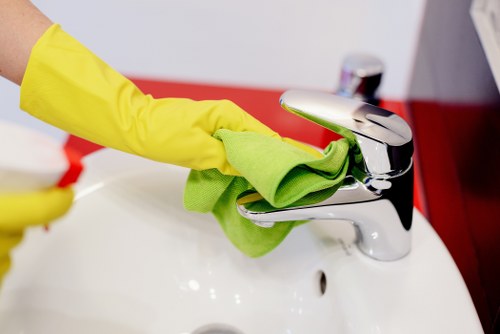
There are many reasons to invest time and effort into deep cleaning. The most obvious benefit is a cleaner-looking space, but the advantages go much further. A proper deep clean can improve air quality, reduce allergens, cut down on germs, and create a more pleasant atmosphere for everyone who enters the space.
One of the biggest benefits is improved health. Dust, mold spores, pet dander, and bacteria can build up in carpets, upholstery, vents, and corners. Deep cleaning helps remove these irritants and can be especially helpful for people who suffer from allergies or respiratory sensitivities. In homes with children or pets, deep cleaning can also support a safer and more sanitary environment.
A second major benefit is mental clarity. A freshly cleaned space often feels calmer and more organized, which can reduce stress and improve focus. Many people notice that after a deep cleaning session, their home or office feels lighter, more welcoming, and easier to enjoy. That emotional effect is one reason so many property owners value deep cleaning as part of their long-term maintenance routine.
Additional Advantages You Should Know
Beyond health and appearance, deep cleaning offers several practical benefits that are easy to overlook.
- Better maintenance: Dirt and residue are less likely to damage surfaces.
- Improved odor control: Hidden grime and bacteria often cause lingering smells.
- More efficient regular cleaning: Once buildup is removed, weekly upkeep becomes easier.
- Longer-lasting fixtures: Appliances, faucets, floors, and furniture stay in better shape.
- Enhanced presentation: A deep-cleaned space looks more inviting to guests, customers, or tenants.
These benefits make deep cleaning a smart choice for both personal comfort and property care. Whether done at home or in a business setting, it is an investment that pays off in noticeable ways.
When to Schedule a Deep Cleaning

Knowing when to schedule deep cleaning is just as important as knowing how to do it. Many people wait until a space feels visibly dirty, but by then, buildup may already be affecting air quality, surfaces, and overall hygiene. A better approach is to plan deep cleaning services or DIY deep cleans at strategic intervals throughout the year.
For homes, seasonal timing often works well. A spring refresh, a fall reset, or a pre-holiday deep clean can help keep clutter and grime under control. Some households may need deep cleaning more often, especially if they have pets, children, or heavy foot traffic. In kitchens and bathrooms, frequent attention is usually necessary because moisture and residue can create faster buildup.
Businesses may need a different schedule depending on the industry. Offices, retail spaces, restaurants, medical facilities, and rental properties all have unique cleaning needs. In many cases, deep cleaning should be scheduled monthly, quarterly, or before major inspections, openings, or turnover dates. Consistency is key when cleanliness affects both safety and reputation.
Common Situations That Call for Deep Cleaning
- Before moving into a new home or office
- After moving out of a property
- At the start of a new season
- Before or after hosting an event
- After renovations or remodeling work
- Following illness in the household
- When odors, dust, or grime become noticeable
These moments are ideal for deep cleaning because they provide a clean slate. Taking action at the right time can prevent bigger maintenance issues later and keep your space feeling fresh.
Room-by-Room Deep Cleaning Priorities

Every room in a property benefits from deep cleaning, but some spaces demand more attention than others. Kitchens, bathrooms, bedrooms, living areas, and entryways each have their own challenges. Focusing on room-specific tasks ensures that your deep cleaning results are thorough and effective.
In kitchens, grease, food particles, and moisture can create stubborn buildup. Deep cleaning should include wiping cabinet fronts, cleaning inside the microwave, degreasing the stovetop, scrubbing sink fixtures, and sanitizing countertops. Appliances deserve special attention too. The refrigerator, oven, dishwasher, and range hood can all collect hidden grime that affects performance and cleanliness.
Bathrooms require a strong focus on sanitation. Grout, tiles, faucets, toilets, mirrors, drains, and shower walls can harbor residue and bacteria. A proper deep clean in the bathroom may involve descaling fixtures, removing soap scum, cleaning vents, and disinfecting all high-touch surfaces. Because bathrooms experience daily moisture, deep cleaning helps prevent unpleasant odors and lingering buildup.
What to Focus on in Other Rooms
Bedrooms, living rooms, hallways, and home offices also benefit from detailed attention. These spaces often collect dust in places that are easy to miss.
- Bedrooms: clean under beds, dust furniture, wash bedding, and vacuum mattresses if needed.
- Living rooms: clean upholstery, dust decor, vacuum under cushions, and wipe electronics.
- Hallways: wipe baseboards, clean light switches, and remove scuff marks.
- Home offices: disinfect keyboards, organize paperwork, and dust shelves and cords.
By breaking the job into room-based tasks, deep cleaning becomes more manageable and more effective. This method also helps ensure that no important area is skipped.
How to Approach Deep Cleaning Efficiently
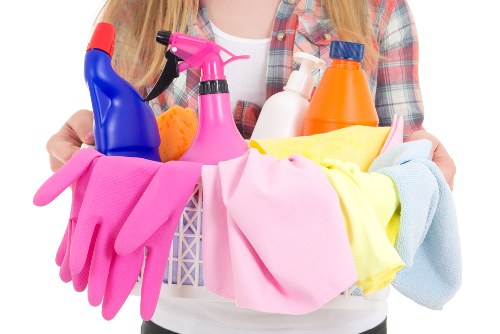
A successful deep cleaning session starts with a plan. Without one, it is easy to get distracted, duplicate effort, or miss important areas. The best approach is to work methodically from top to bottom and from one room to the next. This keeps dirt from falling onto already cleaned surfaces and helps you stay organized throughout the process.
Begin by gathering the right supplies. You may need microfiber cloths, scrub brushes, disinfectant spray, glass cleaner, mop heads, vacuum attachments, gloves, and appropriate cleaning solutions for specific surfaces. Having everything ready before you start will save time and make deep cleaning far less stressful.
It also helps to declutter before you clean. Clear counters, move lightweight furniture, remove items from shelves, and put away objects that do not belong in the room. Once the space is open, it is easier to access hidden dust and grime. This preparation step is often what separates a surface-level clean from a true deep clean.
Suggested Deep Cleaning Order
- Declutter the room and remove loose items.
- Dust high surfaces such as shelves, fans, and light fixtures.
- Clean walls, doors, and trim where needed.
- Scrub surfaces such as counters, sinks, and appliance exteriors.
- Clean hidden areas like under furniture and behind items.
- Vacuum and mop floors last.
This method helps make deep cleaning more efficient while delivering a cleaner final result. It also reduces the chance that you will have to repeat steps unnecessarily.
Tools and Supplies That Make Deep Cleaning Easier
The quality of your results often depends on the tools you use. Good supplies can save time, reduce effort, and improve the outcome of your deep cleaning routine. While you do not need expensive equipment for every job, a few reliable items can make a big difference.
Microfiber cloths are ideal because they trap dust and reduce streaking. A sturdy vacuum with attachments can reach corners, upholstery, and tight spaces. Scrub brushes, grout brushes, and non-scratch sponges help remove buildup without damaging surfaces. For sanitation, choose products that are appropriate for the material you are cleaning. Not every surface should be treated the same way, and using the wrong cleaner can cause damage.
For those who prefer eco-friendly options, there are many effective alternatives. Vinegar, baking soda, lemon-based solutions, and plant-based sprays can help with many common tasks. Still, the most important rule is to follow the instructions for each product and test a small area when needed. Smart product use ensures that deep cleaning is both safe and effective.
Helpful Supplies Checklist
- Microfiber cloths
- Vacuum cleaner with attachments
- Mop and bucket
- Disinfectant and multipurpose cleaner
- Glass cleaner
- Scrub brushes and sponges
- Rubber gloves
- Trash bags and storage bins
Small Details That Improve Results
Sometimes, the smallest details create the biggest difference. Cleaning switch plates, wiping baseboards, and dusting behind picture frames may seem minor, but those tasks contribute to a noticeably fresher environment. That is one reason deep cleaning is often described as transformative rather than simply tidy.
Common Mistakes to Avoid During Deep Cleaning
Even with good intentions, it is easy to make mistakes that slow down the process or reduce effectiveness. One common issue is starting without a plan. Another is using too many products at once, which can create residue or make cleaning harder. Some people also forget to clean hidden or hard-to-reach areas, which undermines the value of the entire effort.
Another mistake is cleaning in the wrong order. If you vacuum before dusting, dirt may fall back onto the floor. If you mop before scrubbing counters, you may create more work later. Following a top-to-bottom, room-by-room method prevents these problems and helps your deep cleaning session go smoothly.
It is also important not to overlook safety. Ventilation matters when using strong cleaners, and gloves can protect your hands from irritation. If you are cleaning delicate materials like natural stone, wood, or certain fabrics, make sure the products you choose are compatible. Thoughtful product selection protects surfaces while improving results.
Tips for Better Deep Cleaning Results
- Work in sections instead of trying to do everything at once.
- Use the correct product for each surface.
- Allow time for cleaners to sit when needed.
- Replace dirty cloths, sponges, and mop heads during the process.
- Finish by deodorizing and airing out the space.
These habits can turn a frustrating task into a productive one. With the right approach, deep cleaning becomes easier to repeat and maintain over time.
Why Professional Deep Cleaning Can Be Worth It
While many people handle their own cleaning tasks, there are situations where professional help makes sense. A professional deep cleaning team brings experience, specialized tools, and a structured process that can deliver impressive results. This is especially useful for large properties, busy households, move-in or move-out situations, and spaces that need a high level of detail.
Professional services can also save time. If your schedule is packed or the cleaning project feels overwhelming, hiring experts can provide a fresh start without adding stress to your week. Many people choose deep cleaning services when they want a more thorough result than they can realistically achieve alone.
Another benefit is consistency. Professionals often follow checklists and techniques that ensure no major area is missed. That can be especially useful for kitchens, bathrooms, and high-traffic spaces where bacteria and buildup are common. If you are looking for a reliable reset, deep cleaning performed by trained professionals can be a smart option.
When Professional Help Makes the Most Sense
- After major life transitions, such as moving or renovating
- When cleaning tasks have built up over time
- For large homes or multi-room commercial properties
- When health conditions make manual cleaning difficult
- Before special events or property showings
If your space needs a serious refresh, do not wait until clutter and grime become overwhelming. Book your service now and enjoy the peace of mind that comes with a professionally handled deep clean.
Maintaining the Results After a Deep Clean
One of the smartest ways to get more value from deep cleaning is to maintain the results afterward. A well-maintained space stays cleaner for longer and makes the next deep clean easier. After investing time or money into a detailed reset, it is worth building habits that preserve that fresh feeling.
Start with a simple weekly cleaning routine. Wipe counters, vacuum floors, dust visible surfaces, and keep clutter under control. Small actions taken regularly can prevent grime from building up again. It also helps to address spills, crumbs, and stains quickly before they settle in. The sooner you act, the easier it is to preserve the effect of a recent deep cleaning.
In addition, consider setting a recurring schedule for deeper maintenance tasks. This could mean cleaning inside appliances monthly, washing bedding weekly, or sanitizing high-touch surfaces more often. When regular cleaning and deep cleaning work together, your property stays in better shape year-round.
Simple Maintenance Habits
- Do a quick daily tidy-up.
- Wipe high-touch surfaces regularly.
- Keep floors free of dust and debris.
- Manage clutter before it piles up.
- Schedule periodic deep cleaning sessions.
These habits help protect your time, your space, and your peace of mind. A clean environment is easier to maintain when you treat it as an ongoing process rather than a one-time event.
Final Thoughts on Deep Cleaning
Deep cleaning is one of the most effective ways to restore freshness, improve hygiene, and create a more comfortable environment. It goes beyond the basics by targeting hidden dirt, built-up grime, and areas that often go unnoticed. Whether you are cleaning a home, apartment, office, or commercial property, the impact of a thorough deep clean is hard to ignore.
From better air quality to improved presentation and easier maintenance, the benefits are both practical and immediate. By using the right tools, following a smart process, and focusing on room-specific needs, you can achieve results that feel meaningful and lasting. And if the task feels too large or time-consuming, professional deep cleaning services can provide the level of detail you need.
If your space is ready for a reset, take the next step today. Contact us today to learn more about your options, or Book your service now to enjoy a cleaner, fresher environment without the stress. Deep cleaning is not just about appearances—it is about creating a space that truly supports the way you live and work.