Sofa Cleaning in Your Home: Fresh, Healthy, and Long-Lasting Results
Why Sofa Cleaning Matters for Every Home

Sofa cleaning is one of the most overlooked parts of home care, yet it has a big impact on comfort, hygiene, and the overall look of your living space. Your sofa is often the centerpiece of a room, and it absorbs dust, body oils, crumbs, pet hair, sweat, spills, and everyday dirt faster than most people realize. Over time, this buildup can make the fabric look dull, cause unpleasant odors, and even affect indoor air quality.
Regular sofa cleaning helps keep upholstery fresh and extends the life of your furniture. Whether you have a fabric couch, a leather sectional, or a microfiber loveseat, proper care can preserve texture, color, and structure. It also supports a cleaner environment for children, guests, and anyone with allergies or sensitivities.
Clean sofas do more than look good. They create a healthier home atmosphere, improve comfort, and reduce the need for premature replacement. If you want your living room to feel inviting and well maintained, sofa cleaning should be part of your routine.
Understanding the Basics of Sofa Cleaning
Sofa cleaning is not a one-size-fits-all process. Different materials require different products, techniques, and drying methods. A cleaning method that works well for cotton upholstery may damage suede or leather. That is why knowing your sofa’s material is the first step toward safe and effective care.
In general, sofa cleaning involves removing loose debris, treating stains, eliminating odors, and refreshing the fabric or surface. Some homeowners prefer light maintenance at home, while others rely on professional upholstery cleaning services for deeper results. Both approaches can be valuable when used at the right time.
Before applying any product, check the manufacturer’s care label. Common codes include W for water-based cleaners, S for solvent-based cleaners, WS for either, and X for vacuuming only. Understanding these labels can prevent accidental damage and help you choose the safest sofa cleaning method.
Common Signs Your Sofa Needs Cleaning

Sometimes the need for sofa cleaning is obvious, such as a visible spill or stain. In other cases, the signs are more subtle. If your sofa appears slightly darker than usual, feels sticky, or gives off a stale odor, it is probably due for attention. Dust and allergens can also settle deep into the fibers, especially if the sofa is used daily.
Here are some common signs that your upholstery needs cleaning:
- Visible stains from food, drinks, ink, or makeup
- Lingering odors from pets, smoke, or moisture
- Pale or faded areas from dirt buildup
- Increased sneezing or allergies when sitting on the couch
- Rough or sticky texture on the fabric
- Pet hair or dust that keeps returning after vacuuming
When these signs appear, it is best not to wait. The longer dirt remains in the fibers, the harder it becomes to remove. Timely sofa cleaning can save time, money, and frustration later.
Benefits of Professional Sofa Cleaning
Professional sofa cleaning offers a deeper and more thorough result than basic surface cleaning. Trained technicians use specialized equipment and upholstery-safe solutions to remove embedded dirt, allergens, and tough stains. This type of treatment is especially helpful for delicate fabrics, high-traffic households, and older sofas that need extra care.
One major benefit is improved hygiene. A professional service can extract hidden debris from deep within the upholstery and padding, helping to reduce allergens and bacteria. This is especially valuable for families with pets, young children, or people who have respiratory concerns.
Professional upholstery cleaning can also help restore the look of your furniture. A clean sofa often appears brighter, softer, and more vibrant. In many cases, regular professional sofa cleaning helps delay wear and tear, making your furniture last longer and maintain its value.
DIY Sofa Cleaning: What You Can Do at Home

Many people prefer to handle light sofa cleaning at home between professional appointments. This can be a practical way to keep your furniture fresh and reduce buildup. The key is to use the right tools and avoid soaking the fabric. Excess moisture can create mildew, shrinkage, or water rings.
A simple home cleaning routine may include vacuuming, spot treatment, deodorizing, and gentle brushing. Always test any cleaner in a hidden area first. This is especially important for colored fabrics, natural fibers, and leather surfaces.
Common DIY sofa cleaning steps include:
- Vacuum the entire sofa, including cushions, seams, and crevices.
- Use a soft brush or lint roller to lift pet hair and loose debris.
- Treat small stains with a fabric-safe solution.
- Blot instead of rubbing to protect the fibers.
- Allow the sofa to dry fully before use.
Consistency matters. Even simple care done regularly can make a noticeable difference in how your sofa looks and feels.
Sofa Cleaning Methods for Different Materials
Not every upholstery type responds the same way to sofa cleaning. Using the right method for the material protects the fabric and improves the final result. Below is a helpful overview of common sofa materials and their cleaning needs.
Fabric Sofas
Fabric upholstery is one of the most common materials in homes. It is comfortable and versatile, but it can trap dust and absorb liquids quickly. For fabric sofa cleaning, vacuuming and spot treatment are essential. Steam cleaning may also be suitable for some fabrics, but always confirm that the upholstery label allows moisture.
Leather Sofas
Leather sofas need gentle care. Harsh chemicals can dry the surface and cause cracking. Leather sofa cleaning usually involves dusting, wiping with a damp microfiber cloth, and using a pH-balanced leather conditioner. This helps keep the material soft and protected.
How to Remove Common Sofa Stains
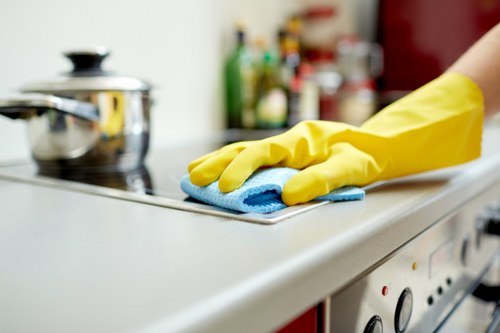
Stain removal is one of the most common reasons people seek sofa cleaning. Quick action is often the key to success. The faster you treat a spill, the better chance you have of removing it completely. However, it is important to use the right method for the specific stain type.
For liquid spills, blot the area immediately with a clean towel. Do not scrub, as this can push the stain deeper into the upholstery. Use minimal moisture and dry the area thoroughly.
Common stain treatment examples include:
- Food stains: Lift solid residue first, then clean gently with a mild solution.
- Coffee or tea: Blot and use an upholstery-safe stain remover.
- Pet stains: Use an enzyme-based cleaner to neutralize odor and residue.
- Grease stains: Sprinkle baking soda first to absorb oil before cleaning.
- Ink stains: Handle carefully with a product made for upholstery, not general household bleach.
Always follow the product instructions and test in a hidden area before applying any solution broadly.
Deep Sofa Cleaning and Odor Removal
Deep sofa cleaning goes beyond surface dirt. It targets the grime, odor, and allergens that collect over time. This type of cleaning is helpful when your sofa has not been treated in a while or has been exposed to heavy use, pets, smoking, or spills.
Odor removal is often part of the same process. Fabrics naturally absorb smells from food, sweat, pets, and the environment. A thorough cleaning can help neutralize these odors instead of simply masking them. For best results, ventilation is important during and after cleaning.
Some homeowners use baking soda as part of their sofa cleaning routine. Sprinkled lightly over the upholstery and vacuumed after a short rest period, it may help absorb some odors. For stronger smells, however, professional upholstery cleaning often provides a better and longer-lasting solution.
How Often Should You Schedule Sofa Cleaning?

The ideal sofa cleaning schedule depends on how much your furniture is used. A sofa in a busy family room will need attention more often than one in a formal sitting room. In general, routine maintenance should happen weekly, while deep cleaning should occur every few months or as needed.
Here is a practical frequency breakdown:
- Weekly: Vacuum and remove surface dust, crumbs, and pet hair.
- Monthly: Spot clean stains and refresh the upholstery.
- Every 6 to 12 months: Arrange professional sofa cleaning for a deep refresh.
- Immediately: Treat spills, pet accidents, or major stains right away.
If your sofa is used heavily, has pets on it regularly, or is located in a humid or dusty environment, you may need more frequent cleaning. Preventive care is always easier than restoration.
Tools and Products That Help With Sofa Cleaning
Having the right tools makes sofa cleaning much easier and more effective. A few basic supplies can handle everyday care, while more advanced products may help with deeper treatment. The goal is always to clean safely and avoid damage to the upholstery.
Useful sofa cleaning tools include:
- Vacuum with upholstery attachment
- Soft-bristled brush
- Microfiber cloths
- Lint roller
- Spray bottle for diluted solutions
- Upholstery-safe stain remover
- Leather conditioner for leather furniture
- Fan for faster drying
Avoid using harsh bleach, abrasive pads, or overly wet cleaning methods. These can damage the upholstery and make the problem worse.
Tips to Keep Your Sofa Cleaner for Longer
Once your sofa has been cleaned, smart habits can help maintain the results. A few small changes in daily routines can reduce dirt buildup and make future sofa cleaning much easier. Prevention is one of the best ways to protect your upholstery investment.
Helpful maintenance tips include rotating cushions, vacuuming regularly, and keeping food and drinks away from the sofa when possible. Pet owners may also want to use throws or washable covers in high-use areas. These simple steps can reduce wear, stains, and odors.
Another useful habit is to address spills immediately. The longer a stain sits, the more likely it is to set. Regular maintenance not only keeps your furniture attractive but also reduces the need for aggressive cleaning methods later.
When to Choose Professional Upholstery Cleaning
There are times when DIY sofa cleaning is not enough. If your sofa has deep-set stains, strong odors, delicate fabric, or visible wear that does not improve with regular care, professional upholstery cleaning is a smart choice. Professionals have the equipment and expertise to handle a wider range of problems safely.
It is also wise to choose professional help when dealing with large furniture pieces or expensive upholstery. A trained cleaner can assess the material, choose the correct method, and deliver a result that protects the furniture while improving its appearance.
Book your service now if your sofa needs more than a surface refresh. A professional appointment can save time and deliver a cleaner, healthier result than basic home methods alone.
Sofa Cleaning for Homes with Children and Pets
Families with children and pets often need more frequent sofa cleaning because of crumbs, spills, fur, and everyday activity. Sofas in these homes are used constantly, so routine maintenance is especially important. Choosing washable throws, training pets to stay off furniture, or keeping wipeable blankets nearby can help reduce mess.
For pet owners, odor control is a big part of sofa cleaning. Fur, dander, and occasional accidents can quickly affect the freshness of upholstery. Enzyme-based cleaners and regular vacuuming can make a huge difference. For parents, quick response to food and drink spills can help prevent permanent stains.
With the right approach, your sofa can stay clean and comfortable even in a busy household. The key is to stay ahead of buildup rather than waiting until the furniture looks visibly dirty.
Why Sofa Cleaning Supports a Healthier Living Space
Sofa cleaning is not only about appearance. It also contributes to a healthier indoor environment. Upholstery can trap dust, pollen, pet dander, and other particles that circulate through the air. Regular cleaning reduces these irritants and makes the room feel fresher.
This is especially beneficial for people with allergies or asthma. Cleaner upholstery means fewer particles settling into the fabric and fewer opportunities for allergens to accumulate. A well-maintained sofa can support better comfort and peace of mind for the whole household.
Clean furniture helps create a cleaner home. When your sofa looks and smells fresh, the entire living room feels more inviting and enjoyable.
Final Thoughts on Sofa Cleaning
Sofa cleaning is an essential part of home maintenance that improves comfort, protects your furniture, and supports a healthier living environment. Whether you prefer simple at-home care or professional upholstery cleaning, regular attention helps your sofa look better and last longer.
From stain removal and odor control to fabric-specific care, the right cleaning approach can make a major difference. A sofa is one of the most used pieces of furniture in the home, so treating it well is a smart investment in both style and hygiene.
If your furniture needs a refresh, do not wait until the stains deepen or the odors become stronger. Contact us today or book your service now to keep your sofa looking and feeling its best.