Oven Cleaning in Every Home: How to Keep Your Appliance Fresh, Efficient, and Safe
Oven cleaning is one of those household tasks that people often postpone until grease, smoke, and burnt food start affecting every meal. Yet regular oven cleaning does far more than improve appearances. It helps your appliance heat evenly, reduces lingering odors, supports better food quality, and can even extend the life of your oven. Whether you cook daily or only occasionally, keeping your oven clean is an essential part of maintaining a healthy and efficient kitchen.
For many households, oven cleaning becomes urgent only after a spillover, a smoky roast, or a stubborn layer of baked-on grime appears. However, a steady routine can make the job easier and less time-consuming. With the right methods, tools, and timing, oven cleaning can be manageable, safe, and surprisingly satisfying. It is not just about removing mess; it is about preserving performance and creating a more pleasant cooking environment.
In this article, we will explore practical oven cleaning methods, explain when to use deep cleaning techniques, and share useful tips for keeping your appliance in top condition. You will also learn how professional oven cleaning differs from standard upkeep, why certain cleaners work better than others, and how to avoid common mistakes that can damage the oven surface.
Why Oven Cleaning Matters for Every Kitchen

Oven cleaning is important because heat, grease, and food residue create more than just visible dirt. When spills are left inside the oven, they can burn onto the surfaces and release smoke during future cooking sessions. This affects flavor, makes the kitchen smell unpleasant, and may even trigger smoke alarms. A clean oven, by contrast, supports more consistent cooking results and a more comfortable home environment.
Another reason oven cleaning matters is efficiency. When residue builds up on the walls, racks, and glass door, it can interfere with how evenly the appliance distributes heat. That means your food may cook unevenly, take longer to finish, or require more frequent adjustments. In the long run, consistent oven cleaning can help reduce unnecessary wear and keep energy usage under control.
There is also a hygiene benefit. Crumbs, grease, and old spills can attract bacteria and pests, especially if the oven is not used often. For households that bake, roast, or grill frequently, keeping the interior fresh is a simple way to support better kitchen sanitation. Regular oven cleaning is not just cosmetic; it is a practical maintenance habit that protects both the appliance and the food prepared in it.
Understanding Different Types of Oven Cleaning
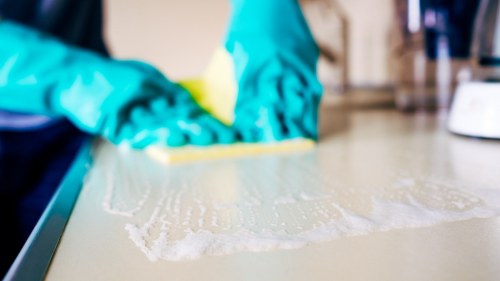
Not all oven cleaning methods are the same. Some are designed for quick upkeep, while others are intended for heavy buildup. Choosing the right approach depends on the condition of the oven, the type of debris present, and the level of effort you want to invest. A light routine can often be handled with warm water, mild soap, and a microfiber cloth. For tougher grime, a stronger degreasing solution may be needed.
One common approach is self-cleaning, which many modern ovens include. This function uses very high heat to burn residue into ash that can be wiped away afterward. While convenient, self-cleaning ovens can produce strong odors and high temperatures, so they are not suitable for every household. It is important to follow the manufacturer’s instructions before using this feature.
Steam cleaning is another option for moderate mess. This method softens baked-on food with moisture, making it easier to wipe away with less scrubbing. Some ovens include a steam-cleaning cycle, while others can be cleaned using a heat-safe dish of water. Understanding these different oven cleaning methods helps you choose the safest and most effective process for your appliance.
Common Oven Cleaning Approaches
- Manual cleaning: Uses cleaning products, cloths, and elbow grease for targeted removal.
- Self-cleaning cycle: Burns residue at high temperature, turning debris into ash.
- Steam cleaning: Loosens grime using moisture and heat for easier wiping.
- Professional oven cleaning: Uses expert tools and techniques for deep, detailed results.
When to Schedule Oven Cleaning
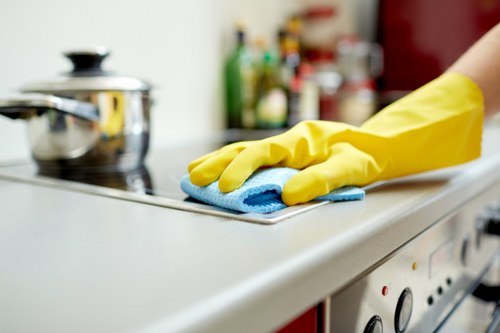
The best time for oven cleaning depends on how often you use the appliance. If you cook daily, a quick wipe-down after spills and a deeper cleaning every few months is often ideal. If you use the oven less frequently, a seasonal cleaning schedule may be enough. The key is not to wait until grease has hardened into a thick layer.
There are also signs that indicate the oven needs attention sooner. Smoke during preheating, unusual odors, visible carbon buildup, and sticky racks are all signs that grime is affecting performance. If you notice food tasting slightly burnt or unevenly cooked even when following recipes carefully, dirty surfaces may be part of the problem.
For households that roast fatty foods or bake frequently, oven cleaning may need to happen more often. A simple maintenance habit can prevent major buildup and save time later. Staying ahead of grime is easier than removing months of baked-on residue, which is why a regular schedule is one of the smartest ways to care for your appliance.
Helpful Timing Tips
- Wipe spills as soon as the oven cools.
- Clean racks and trays before residue hardens.
- Use a deeper cleaning routine every 2 to 4 months.
- Check the door glass and seals regularly for buildup.
Step-by-Step Oven Cleaning Process
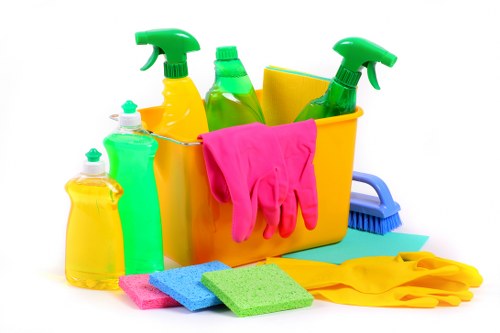
A successful oven cleaning process begins with preparation. First, make sure the oven is completely cool and switched off. Remove racks, trays, thermometer probes, and any loose accessories. This makes it easier to reach all interior surfaces and prevents damage to removable parts. It is also wise to place towels or newspaper on the floor in front of the appliance to catch drips.
Next, choose your preferred cleaning product. For mild buildup, a mixture of warm water and dish soap may be enough. For heavier grime, an oven-safe degreaser or baking soda paste can help loosen residue. Apply the solution carefully, avoiding heating elements, fan openings, and sensitive electronic controls. Let the product sit for the recommended time so it can break down the grease.
After the dwell time, wipe the interior with a damp cloth or sponge. Use a non-scratch pad for stubborn areas, but avoid abrasive tools that can damage the enamel or glass. Rinse thoroughly so no cleaner remains behind, then dry with a clean towel. When the oven interior is fully dry, return the racks and other accessories to their place. A careful method gives the best oven cleaning results without unnecessary risk.
Basic Oven Cleaning Checklist
- Turn off and cool the oven.
- Remove racks and accessories.
- Apply the cleaning solution.
- Allow time for the product to work.
- Wipe, rinse, and dry all surfaces.
- Reassemble the oven once fully dry.
How to Clean Oven Racks, Doors, and Glass
Oven cleaning should include every part of the appliance, not just the interior cavity. Racks often collect thick grease and baked-on food, especially if dishes bubble over or drip during cooking. The best way to clean oven racks is to soak them in warm, soapy water or a tub with a degreasing solution. After soaking, scrub with a non-abrasive brush or sponge before rinsing and drying them fully.
The oven door deserves equal attention. Grease can build up around the frame and handle, while the glass may become cloudy or streaked. Use a mild cleaning solution and a microfiber cloth to polish the surface. For hidden debris between the panes, check whether the door design allows access or if a professional service is needed. Clean glass improves visibility and makes the entire oven feel fresher.
Knobs, seals, vents, and control panels also matter. These smaller areas are often overlooked during oven cleaning, but they can collect grime over time. Use a lightly damp cloth around controls and seals, being careful not to saturate any electrical components. Detail-oriented oven cleaning creates a better-looking and better-performing appliance. It also helps maintain the overall cleanliness of the kitchen.
Areas to Focus On During Detailed Cleaning
- Racks and trays
- Door glass and frame
- Handles and exterior surfaces
- Knobs, buttons, and control panels
- Seals and ventilation areas
Natural Oven Cleaning Methods vs. Chemical Cleaners
Many homeowners prefer natural oven cleaning methods because they are gentle, affordable, and easy to prepare. Baking soda mixed with water is one of the most popular choices. When spread over greasy surfaces and left to sit, it helps loosen residue for easier wiping. Vinegar is often used afterward to help remove remaining paste and add a fresh finish.
Certain natural methods are ideal for routine maintenance, but they may not be strong enough for severe buildup. In those cases, commercial products can save time and deliver more powerful results. These cleaners are formulated to break down grease quickly, but they should be used carefully and only according to the label instructions. Proper ventilation is important whenever stronger cleaning agents are involved.
Choosing between natural and chemical options depends on your priorities. If you want a low-odor, eco-friendlier approach, natural products may be the better choice. If the oven has heavy carbon deposits or long-term buildup, a stronger cleaner may be more effective. The best oven cleaning method is the one that matches the level of dirt without damaging the appliance.
Pros and Cons at a Glance
- Natural methods: Safer smell, lower cost, gentler on surfaces, but slower on heavy grime.
- Chemical cleaners: Faster grease removal, effective on stubborn buildup, but require caution and ventilation.
What to Watch Out For
- Never mix cleaning chemicals.
- Avoid spraying directly on heating elements.
- Do not use metal scrubbers on enamel surfaces.
- Always rinse away residues before using the oven again.
Professional Oven Cleaning: When It Makes Sense
Professional oven cleaning is worth considering when the appliance has heavy grease, burnt-on carbon, or a lingering odor that household methods cannot remove. It is also useful for busy households that do not have time for a deep cleaning routine. A professional service can reach hidden areas, remove difficult buildup, and restore the oven more thoroughly than a quick surface wipe.
Another reason to choose a professional oven cleaning service is safety. Deep buildup around heating components, fans, or seals can make do-it-yourself cleaning more difficult. A trained cleaner knows how to handle delicate parts and can reduce the risk of damage. This is particularly helpful for high-end ovens, older models, or appliances with special finishes.
Even if you prefer to handle basic maintenance yourself, occasional professional oven cleaning can complement your routine. Think of it as a reset that helps the appliance start fresh. Using a professional service at the right time can extend the life of your oven and save hours of effort. If your oven has not been cleaned deeply in a long time, now may be the right moment to book your service now.
Signs You May Need Professional Help
- Smoke appears during normal cooking.
- Grime remains after repeated cleaning attempts.
- The oven smells burnt even when empty.
- Access to internal parts is limited.
- There are signs of heavy grease buildup near fans or seals.
How Oven Cleaning Improves Cooking Results
One of the biggest benefits of oven cleaning is more reliable cooking performance. When residue lines the walls and racks, heat may circulate less evenly, which can affect baking, roasting, and broiling. Clean surfaces help the oven maintain better temperature consistency, so food cooks more predictably. That means cakes rise more evenly, vegetables roast properly, and meats brown without excess smoke.
Improved cooking results are especially noticeable in recipes that depend on accurate heat distribution. Delicate pastries, casseroles, and baked desserts can all suffer if the appliance is dirty. A clean oven also makes it easier to spot spills, monitor food through the door, and control doneness without constantly opening the appliance.
When oven cleaning becomes part of your normal home care, every meal can benefit. The appliance works more efficiently, smells fresher, and supports better results in everyday cooking. Even small maintenance efforts can make a meaningful difference in how your kitchen performs.
Benefits for Everyday Cooking
- More even heating
- Less smoke and odor
- Better flavor and appearance of food
- Improved appliance lifespan
- Cleaner and more pleasant kitchen conditions
Safety Tips for Effective Oven Cleaning
Safety should always come first during oven cleaning. Start by making sure the appliance is completely switched off and cooled down. Never clean a hot oven unless the manufacturer specifically recommends a warm-cycle method. Good ventilation is also important, especially when using commercial cleaning products. Open windows or use the kitchen extractor fan if possible.
Protect your hands with gloves and wear old clothing if you are using stain-prone products. Keep cleaners away from children and pets, and store them securely when not in use. If you are cleaning removable parts in a sink or tub, rinse the area afterward so no product residue remains behind. Careful handling reduces the risk of irritation, damage, and accidents.
It is also smart to read labels and follow directions exactly. Some products need time to work, while others require immediate wiping. Safe oven cleaning is about patience, preparation, and attention to detail. Taking a few extra minutes to do the job properly is better than rushing and damaging the appliance.
Safe Cleaning Reminders
- Allow the oven to cool completely before cleaning.
- Use non-scratch tools whenever possible.
- Ventilate the kitchen during and after cleaning.
- Test any new product on a small area first.
- Rinse and dry all surfaces before cooking again.
Final Maintenance Habits
To keep oven cleaning manageable over time, wipe spills as soon as the oven is cool, keep racks protected with suitable trays, and make periodic checks for buildup around the door and seals. These small habits help prevent large cleaning jobs later and keep the appliance in better condition year-round.
Final Thoughts on Oven Cleaning
Oven cleaning is a practical habit that supports better cooking, improved hygiene, and longer appliance life. Whether you use simple natural methods, stronger degreasers, or professional services, the goal is the same: keep the oven working efficiently and safely. A clean oven is easier to use, easier to maintain, and far more pleasant to cook with.
By setting a regular schedule and choosing the right method for the level of dirt, you can avoid the stress of heavy buildup. Remember that even light maintenance matters. Wiping spills, cleaning the glass, and checking the racks regularly can make future oven cleaning much easier. Consistency is the secret to keeping your oven fresh.
If your appliance is overdue for attention, do not wait for another smoke-filled meal or stubborn grease layer. Take the next step toward a cleaner kitchen and better cooking results. Contact us today or book your service now if you want expert help with oven cleaning and a fresher, safer kitchen environment.